
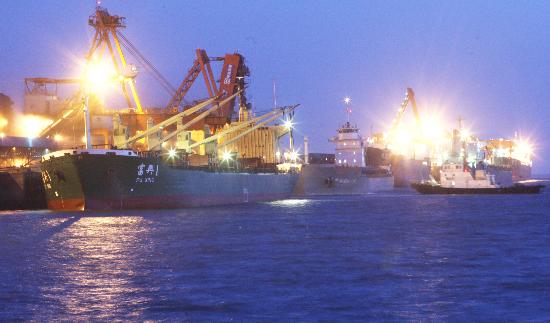
Shipment is an important branch of international business. Carriage of goods take place by road, inland waterway, sea and air. And in recent years, a new type of carriage appeared, called the combined transport, operating on a road-sea-rail journey.
When goods are transported by road, rail or air, the contract of carriage take the form of a consignment note and an air waybill. In sea transport, chartering of ships or booking shipping space is involved. And the contact between the ship-owner and the shipper may take the form of either a charter party or a Bill of loading
Three parties
involved in most shipments of goods:
The carrier— the party who carry them
The consignee — the party who receives them at the destination
The Purposes of Letters of Shipment:
Urging shipment
Sending shipping instructions
Amending shipping clauses
Giving shipping advice
The following
steps should be observed in the letter
l Open with reference to former contact or open with a
statement, usually about an order, by indicating the number or date of the
order
l Give information abut the shipment
l Expect either an anser or further communication.
Related packing
terms
• 木箱(wooden case)
• 板条箱(crate)
• 纸箱(carton)
• 麻袋(gunny bag)
• 布袋(sack)(cloth bag)
• 塑料袋(plastic bag)
• 牛皮纸袋(kraftpaper bag)
• 铁桶(iron drum)
• 塑料桶(plastic drum)
• 木桶(cask)
• 捆(bundle)
• 包(bale)
• 衬锡纸盒tin-lined paper box.

