目录

  • 1 课程教学文件|Teaching Documents
    • 1.1 课程标准|Curriculum Standard
    • 1.2 课程教案|Teaching Case
    • 1.3 授课计划|Lesson Plan
    • 1.4 1+X证书标准|Certificate Standard
    • 1.5 中英双语版教材|Chinese-English Bilingual Textbooks
  • 2 项目化教学PPT|Teaching Courseware
    • 2.1 项目1 认知太阳能资源|Project 1 Cognition of Solar Energy Resources
    • 2.2 项目2 选型太阳能光伏电池组件|Project 2 Selection of Solar Photovoltaic Cell Components
    • 2.3 项目3 光伏控制器和逆变器|Project 3 Photovoltaic Controllers and Inverters
    • 2.4 项目4 选型蓄电池和储能装置|Project 4 Selection of Battery and Energy Storage Device
    • 2.5 项目5 设计太阳能光伏发电系统|Project 5 Design of Solar Photovoltaic Power Generation System
    • 2.6 项目6 认识风能资源与风能利用|Project 6 Understanding Wind Energy Resources and Wind Energy Utilization
    • 2.7 项目7 了解风力发电系统|Project 7 Understanding Wind Power Systems
    • 2.8 项目8 选址风电场、选型及运行风电机组|Project 8 Site Selection of Wind Farm, Selection and Operation of Wind Turbines
    • 2.9 项目9 了解分布式发电系统与微电网系统|Project 9 Understanding Distributed Generation Systems and Microgrid Systems
  • 3 视频教学|Teaching Video
    • 3.1 如何区分单晶硅和多晶硅电池组件|How to distinguish between monocrystalline silicon and polycrystalline silicon battery components
    • 3.2 光伏电池组件的构成|The composition of photovoltaic cell components
    • 3.3 光伏电池组件的电路模型|The circuit model of photovoltaic cell module
    • 3.4 光伏电池特性测试的方法|The method of photovoltaic cell characteristic test
    • 3.5 光伏电池组成方阵的原则|The principle of photovoltaic cells to form a square array
    • 3.6 离网光伏发电系统的组成|The composition of off-grid photovoltaic power generation system
    • 3.7 并网型光伏发电系统的组成|The composition of grid-connected photovoltaic power generation system
    • 3.8 太阳能光伏实训台介绍|Introduction of solar photovoltaic training platform
    • 3.9 太阳能光伏实训台开机操作流程|Solar photovoltaic training platform boot operation process
    • 3.10 太阳能光伏实训台的四个任务|Four tasks of solar photovoltaic training platform
    • 3.11 逆变器的作用|The role of inverter
    • 3.12 不同逆变器效率对比|Efficiency comparison of different inverters
    • 3.13 不同逆变器可靠性对比|Reliability Comparison of Different Inverters
    • 3.14 不同逆变器高压危险对比|Comparison of high voltage risk of different inverters
    • 3.15 微型光伏逆变器安装|Installation of micro photovoltaic inverter
    • 3.16 分布式光伏发电MG动画|Distributed photovoltaic power generation MG animation
    • 3.17 全国职业院校技能大赛:光伏电子工程的设计与实施设备介绍|Skills competition equipment introduction
    • 3.18 晶体硅光伏电池的特性讲解|Explain the characteristics of crystalline silicon photovoltaic cells
    • 3.19 集中型光伏发电系统直流侧的投运仿真讲解|Operation simulation explanation
    • 3.20 光伏控制器的接线与调试示范讲解|The wiring and debugging demonstration explanation of photovoltaic controller
    • 3.21 并网光伏电池组串的调试现场示范讲解|Debugging site demonstration of grid-connected photovoltaic battery string
    • 3.22 光伏发电系统10kV开关柜|10kV switch cabinet
    • 3.23 光伏发电系统低压断路器|Low-voltage circuit breaker
    • 3.24 光伏发电系统低压配电线路|Low-voltage distributingline
    • 3.25 光伏发电系统负荷开关|Load switch
    • 3.26 光伏发电系统配电GIS系统|Distribution GIS system
    • 3.27 光伏发电系统配电变压器|Distribution Transformer
    • 3.28 光伏发电系统配电网防雷|Distribution network lightning protection
    • 3.29 光伏发电系统线路接地|Line grounding
    • 3.30 光伏发电系统柱上断路器|Column Breaker
    • 3.31 集中型光伏电站组件与支架巡检|Inspection of components and brackets of centralized photovoltaic power station
    • 3.32 组串型光伏电站组件与支架巡检|Inspection of photovoltaic power station components and brackets in series
    • 3.33 直流汇流箱巡检|DC junction box inspection
    • 3.34 交流汇流箱巡检|AC junction box inspection
    • 3.35 组串式逆变器巡检|Group string inverter inspection
    • 3.36 由“沙”到“电”的故事|The story from ' sand ' to ' electricity '
      • 3.36.1 PN结原理|The principle of PN junction
      • 3.36.2 太阳能辐射|Solar radiation
      • 3.36.3 光伏电池板的安装|Installation of photovoltaic panels
      • 3.36.4 光伏发电原理|Photovoltaic generation principle
      • 3.36.5 晶体硅光伏电池的生产|Production of crystalline silicon photovoltaic cells
      • 3.36.6 实操-光伏电子大赛设备操作1|Equipment platform composition explanation 1
      • 3.36.7 实操-光伏电子大赛设备操作2|Equipment platform composition explanation 2
      • 3.36.8 实操-光伏电子大赛设备操作3|Equipment platform composition explanation 3
      • 3.36.9 实操-光伏电缆头制作|Photovoltaic cable head production
      • 3.36.10 实操-光伏电站运维设备讲解1|Equipment platform  explanation 1
      • 3.36.11 实操-光伏电站运维设备讲解2|Equipment platform  explanation 2
  • 4 课程思政案例资源|Course Ideological Case
    • 4.1 大国工匠:于敏:“中国氢弹之父”,为祖国强盛奉献一生| "The Father of China's Hydrogen Bomb"
    • 4.2 【大国工匠:程开甲:一生为国铸盾】| Devoting His Entire Life to Forging a Shield for the Country
    • 4.3 【大国工匠: 郑兴:巧手铸星船 匠心舞九天】| Skillful Hands Forge Star Ships, Craftsmanship Dances in the Sky
    • 4.4 【大国工匠:苏彦斌:19项专利见证“工匠 】|19 Patents Bear Witness to the "Craftsman Spirit"
    • 4.5 【大国工匠:亮丽内蒙古----“北疆工匠”邢岗】|Northern Frontier Craftsmen
    • 4.6 【大国工匠:王开库:踏遍神州送光明】|Traveling across the land of China to bring light
    • 4.7 【大国工匠:王进  超、特高压带电检修技术】|Live maintenance technology for ultra-high and extra-high voltage
    • 4.8 【大国工匠:电力十足的女劳模”徐川子】|A female model worker full of energy
    • 4.9 【大国工匠:黄金娟:智能检定 梦想成真】|The dream of intelligent verification has come true
    • 4.10 【职业精神:用心点亮千万家-张黎明】|Light up millions of households with heart
    • 4.11 【科学思维:中国现代物理研究的开创人之一-严济慈】|One of the pioneers of modern physics research in China
    • 4.12 【科学思维:感动中国-赤子钱伟长】|Qian Weichang, the innocent son
    • 4.13 【科学思维:《科学巨匠周培源》】|A scientific giant
    • 4.14 分布式光伏发电 前景可期】|The prospects for distributed photovoltaic power generation are promising
    • 4.15 【科学思维:海南三沙:我国首个远海岛屿智能微电网建成】|China's first smart microgrid for a far-sea island
    • 4.16 【新发展格局:乡村电气化惠农富民】|Rural electrification benefits farmers and enriches the people
    • 4.17 【以史为鉴:《三峡工程》】|The Three Gorges Project
    • 4.18 【大国工匠:最美职工胡洪炜】|The most beautiful employee
    • 4.19 【大国工匠:顶级“验血师”朱洪斌:丹心未泯创新路】|With unwavering dedication, we forge an innovative path
    • 4.20 【大国工匠:高压线上的舞者——闫旭东】|Dancers on high-voltage lines
    • 4.21 【大国工匠:《铁塔雄鹰》 赵文武】|Iron Tower Eagle
    • 4.22 【大国工匠:陈国信:500千伏带电作业,变不可能为可能】|500-kilovolt live-line work turns the impossible into the possible
    • 4.23 【大国工匠:夏德明:初心不变守安全】|Stay true to our original aspiration and ensure safety
    • 4.24 【科学思维:曾鸣:中国风电一定会大规模、速度很快往前发展】|China's wind power industry is developing rapidly
    • 4.25 【科学思维:发展生物质能源是大势所趋是决胜未来的关键】|The development of biomass energy is the key to winning the future
    • 4.26 【科学思维:聚焦新能源新材料看新型工业新发展】|Look at the new development of new industries
    • 4.27 新发展格局:“广西两会访谈”特别节目:聚焦脱贫攻坚 基础设施建设|Focus on infrastructure construction for poverty alleviation
    • 4.28 【科学思维:氢能源的广泛应用将推动中国成为世界最大氢能源和燃料|The wide application of hydrogen energy
    • 4.29 新发展格局:产业第一线——聚焦新能源产业|Focus on the new energy industry
    • 4.30 【科学思维:新型储能材料,储热能力是水的200倍,一场太阳能革命即将打响】|New energy storage materials
    • 4.31 【科学思维:能源革命专家谈:实现煤炭清洁高效利用 确保碳达峰】|Clean and efficient utilization of coal
    • 4.32 【新发展格局:尽早实现碳达峰碳中和目标推动新时代能源事业高质量发展】|Achieve carbon peaking and carbon neutrality
    • 4.33 【新发展格局:中国新能源汽车行业快速发展】|The new energy vehicle industry
    • 4.34 法治中国:建设中国特色社会主义法治体系|The socialist legal system with Chinese characteristics
    • 4.35 向第二个百年奋斗目标进军|March towards the second centenary goal
    • 4.36 【科学思维:碳纤维复合材料制作飞机的优点】|Carbon fiber composite material
    • 4.37 红旗渠精神|The spirit of the Hongqi Canal
    • 4.38 《网络安全法》解读|Cybersecurity Law
    • 4.39 新发展格局:美好生活消费新趋势|New trends in consumption
    • 4.40 【四个自信:建设社会主义文化强国高端访谈】|A cultural power
    • 4.41 【四个自信:典籍里的中国】|China in ancient books
    • 4.42 【四个自信:永不消逝的电波】|The never-fading radio waves
  • 5 拓展教学资料|Extended teaching materials
    • 5.1 分布式光伏电站设计、建设与运维|Design, construction and operation and maintenance of distributed photovoltaic power stations
    • 5.2 光伏培训之光伏组件详解|Photovoltaic module
    • 5.3 太能光伏发电连接方式|Photovoltaic power generation connection methods
    • 5.4 太阳能、光伏发电与控制技术|Photovoltaic power generation and control technology
  • 6 技能大赛:光伏电子的工程设计与实施|Engineering design and implementation of photovoltaic electronics
    • 6.1 光伏电子工程的设计与实施赛项规程|Competition Regulations
    • 6.2 光伏电子工程的设计与实施赛题(样题)|Competition questions
  • 7 技能大赛:风光互补发电系统安装与调试|Installation and commissioning of wind-solar hybrid power generation systems
    • 7.1 风光互补发电系统安装与调试赛项规程|Competition Regulations
    • 7.2 风光互补发电系统安装与调试赛项赛题(样题)|Competition questions
  • 8 虚拟训练平台|Virtual training platform
    • 8.1 万用表排故障|Use a multimeter to troubleshoot
  • 9 光伏发电相关规范|Specification
    • 9.1 GB 50797-2012 光伏发电站设计规范|Code for design of photovoltaic power station
    • 9.2 GB_T 50795-2012 光伏发电工程施工组织设计规范(附条文说明)|Code for construction organization planning of photovoltaic power project
    • 9.3 GB 19964-2012 光伏发电站接入电力系统技术规定|Technical Regulations for the Connection of Photovoltaic power stations to the power system
    • 9.4 GBT 29196-2012 独立光伏系统技术规范|Technical specification for stand--Alone photovoltaic systems
    • 9.5 GBT 29319-2012 光伏发电系统接入配电网技术规定|Technical requirements for connecting photovoltaic power system to distribution network
    • 9.6 GBT 29321-2012 光伏发电站无功补偿技术规范|Technical specification for reactive power compensation of PV power station
    • 9.7 GBT 50865-2013 光伏发电接入配电网设计规范|Code for design of photovoltaic genèration connecting to distribution network
    • 9.8 光伏发电站施工规范GB50794-2012 |Coxde for construction PV power station
    • 9.9 光伏系统并网技术要求GBT19939-2005|Technical requirements for grid connection of PV system
    • 9.10 GBT 50796-2012 光伏发电工程验收规范|Acceptance Specifications for PV Generation Projects
  • 10 任务实施表格|Task Implementation Form
    • 10.1 项目1 任务实施表格|Project 1 Task  Form
      • 10.1.1 任务1.1 任务实施表格|Project 1.1 Task  Form
      • 10.1.2 任务1.2 任务实施表格|Project 1.2 Task  Form
      • 10.1.3 任务1.3 任务实施表格|Project 1.3 Task  Form
    • 10.2 项目2 任务实施表格|Project  2 Task  Form
      • 10.2.1 任务2.1 任务实施表格
      • 10.2.2 任务2.2 任务实施表格
      • 10.2.3 任务2.3 任务实施表格
      • 10.2.4 任务2.4 任务实施表格
      • 10.2.5 任务2.5 任务实施表格
      • 10.2.6 任务2.6 任务实施表格
    • 10.3 项目3 任务实施表格|Project 3 Task  Form
      • 10.3.1 任务3.1 任务实施表格
      • 10.3.2 任务3.2 任务实施表格
      • 10.3.3 任务3.3 任务实施表格
    • 10.4 项目4 任务实施表格|Project 4 Task  Form
      • 10.4.1 任务4.1 任务实施表格
      • 10.4.2 任务4.2 任务实施表格
      • 10.4.3 任务4.3 任务实施表格
      • 10.4.4 任务4.4 任务实施表格
    • 10.5 项目5 任务实施表格|Project 5 Task  Form
      • 10.5.1 任务5.1 任务实施表格
      • 10.5.2 任务5.2 任务实施表格
      • 10.5.3 任务5.3 任务实施表格
      • 10.5.4 任务5.4 任务实施表格
      • 10.5.5 任务5.5 任务实施表格
      • 10.5.6 任务5.6 任务实施表格
    • 10.6 项目6 任务实施表格|Project 6 Task  Form
      • 10.6.1 任务6.1 任务实施表格
      • 10.6.2 任务6.2 任务实施表格
    • 10.7 项目7 任务实施表格|Project 7 Task  Form
      • 10.7.1 任务7.1 任务实施表格
      • 10.7.2 任务7.2 任务实施表格
      • 10.7.3 任务7.3 任务实施表格
      • 10.7.4 任务7.4 任务实施表格
      • 10.7.5 任务7.5任务实施表格
      • 10.7.6 任务7.6 任务实施表格
      • 10.7.7 任务7.7 任务实施表格
    • 10.8 项目8 任务实施表格|Project 8 Task  Form
      • 10.8.1 任务8.1 任务实施表格
      • 10.8.2 任务8.2 任务实施表格
      • 10.8.3 任务8.3 任务实施表格
      • 10.8.4 任务8.4 任务实施表格
    • 10.9 项目9 任务实施表格|Project 9 Task  Form
      • 10.9.1 任务9.1 任务实施表格
      • 10.9.2 任务9.2 任务实施表格
  • 11 习题与练习|Exercises and Practices
    • 11.1 单项选择题一|Single-choice question one
    • 11.2 单项选择题二|Single-choice question two
    • 11.3 单项选择题三|Single-choice question three
    • 11.4 判断题一|True or False Question One
    • 11.5 判断题二|True or False Question Two
    • 11.6 判断题三|True or False Question Three
    • 11.7 多项选择题|Multiple-choice questions
    • 11.8 问答题|Short-answer questions
  • 12 拓展练习|Extended Practice
    • 12.1 拓展练习任务清单|Task list for extended practice
  • 13 知行链接站|Zhi Xing Link Station
    • 13.1 项目1 中国新能源发电发展现状|Project 1: The Current Development Status of New Energy Power Generation in China
    • 13.2 项目2 中国光伏组件:制造规模与技术迭代引领全球|Project 2: Chinese Photovoltaic Modules: Leading the World in Manufacturing Scale and Technological Iteration
    • 13.3 项目3 中国逆变器产业的崛起之路|Project 3: The Rise of China's Inverter Industry
    • 13.4 项目4 我国储能产业发展与成就|Project 4: Development and Achievements of China's Energy Storage Industry
    • 13.5 项目5 中国光伏发电发展与成就概述|Project 5: Overview of the Development and Achievements of Photovoltaic Power Generation in China
    • 13.6 项目6 风能:古老能源的现代新篇|Project 6: Wind Energy: A Modern New Chapter of Ancient Energy
    • 13.7 项目7 中国风力发电产业的崛起|Project 7: The Rise of China's Wind Power Generation Industry
    • 13.8 项目8 我国风力发电的发展与成就|Project 8: The Development and Achievements of Wind Power Generation in China
    • 13.9 项目9 我国分布式发电与微电网的发展与成就|Project 9: The Development and Achievements of Distributed Generation and Microgrids in China
大国工匠:于敏:“中国氢弹之父”,为祖国强盛奉献一生| "The Father of China's Hydrogen Bomb"

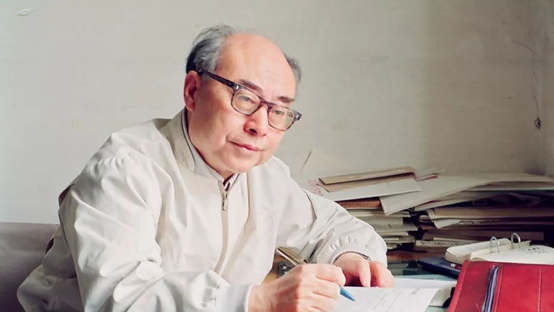
                                                      于 敏                                     

国防科技事业改革发展的重要推动者


于敏,男,汉族,中共党员,1926年8月出生,天津宁河人,中国工程物理研究院原副院长、研究员,中国科学院院士。他是我国著名的核物理学家,长期主持核武器理论研究、设计,解决了大量理论问题,为我国核武器的发展作出了重要贡献。上世纪80年代以来,在二代核武器研制中,突破关键技术,使我国核武器技术发展迈上了一个新台阶,对我国科技自主创新能力的提升和国防实力的增强作出了开创性贡献。荣获“两弹一星”功勋奖章、国家最高科学技术奖、“全国五一劳动奖章”和“全国敬业奉献模范”称号。

于敏长期主持核武器理论研究、设计,解决了大量理论问题,为我国核武器的发展作出了重要贡献。上世纪80年代以来,在二代核武器研制中,突破关键技术,使我国核武器技术发展迈上了一个新台阶,对我国科技自主创新能力的提升和国防实力的增强作出了开创性贡献。

国产土专家

于敏父亲是当时天津市的一位小职员,母亲出生于普通百姓家庭。于敏上有一个姐姐,在北京师范大学读书时加入中国共产党;下有一个弟弟和妹妹,早年夭折。于敏7岁时开始在芦台镇上小学。中学先在天津木斋中学念,后转学到天津耀华中学。1944年于敏上了北京大学工学院。但是上学后,于敏发现,因为这里是工学院,所以,老师只是把知识告诉学生会用就行了,根本不告诉学生根源。这使于敏很快就失去了兴趣。1946年,他转入了理学院去念物理,并将自己的专业方向定为理论物理。1949年于敏本科毕业后,考取了张宗遂先生的研究生。后张病了,指导他学业的便是胡宁教授。他的学术论文就是在胡的指导下完成的。后来,于敏被彭桓武、钱三强调到了中科院近代物理研究所。这个所是1950年成立的,当时由钱三强任所长,王淦昌和彭桓武任副所长。当时我国科学界一片空白,他们高瞻远瞩,创建了新中国第一个核科学技术研究基地。由于于敏在原子核理论物理研究方面取得的进展,1955年,他被授予“全国青年社会主义建设积极分子”的称号。1956年晋升为副研究员。1957年,以朝永振一朗(后获诺贝尔物理奖)为团长的日本原子核物理和场论方面的访华代表团来华访问,年轻的于敏参加了接待。于敏的才华给对方留下了深刻印象,他们回国后,发表文章称于敏为中国的“国产土专家一号”。“国产土专家”的称号由此而来。

【大国工匠:于敏:“中国氢弹之父”,为祖国强盛奉献一生】

  Yu Min, male, Han ethnicity, a member of the Communist Party of China, was born in August 1926 in Ninghe, Tianjin. He was the former deputy director and researcher of the China Academy of Engineering Physics and an academician of the Chinese Academy of Sciences. He is a well - known nuclear physicist in China. He long - term presided over the theoretical research and design of nuclear weapons, solved a large number of theoretical problems, and made important contributions to the development of China's nuclear weapons. Since the 1980s, in the development of the second - generation nuclear weapons, he broke through key technologies, enabling China's nuclear weapon technology to reach a new level and making groundbreaking contributions to the improvement of China's independent innovation ability in science and technology and the enhancement of national defense strength. He won the "Two Bombs, One Satellite" Merit Medal, the National Highest Science and Technology Award, the "National May 1st Labor Medal", and the title of "National Model of Dedication and Devotion". Yu Min long - term presided over the theoretical research and design of nuclear weapons, solved a large number of theoretical problems, and made important contributions to the development of China's nuclear weapons. Since the 1980s, in the development of the second - generation nuclear weapons, he broke through key technologies, enabling China's nuclear weapon technology to reach a new level and making groundbreaking contributions to the improvement of China's independent innovation ability in science and technology and the enhancement of national defense strength. A home - grown expert Yu Min's father was a junior clerk in Tianjin at that time, and his mother was from an ordinary family. Yu Min had an elder sister who joined the Communist Party of China while studying at Beijing Normal University; he also had a younger brother and a younger sister, who died in their early years. Yu Min started primary school in Lutai Town at the age of 7. He first studied at Tianjin Muzhai Middle School and then transferred to Tianjin Yaohua Middle School. In 1944, Yu Min entered the School of Engineering of Peking University. However, after starting school, Yu Min found that since it was an engineering school, the teachers only taught students how to use knowledge without explaining the root causes. This quickly made Yu Min lose interest. In 1946, he transferred to the School of Science to study physics and set his major direction as theoretical physics. After graduating from undergraduate studies in 1949, Yu Min was admitted as a postgraduate student under the supervision of Mr. Zhang Zongsui. Later, when Zhang was ill, it was Professor Hu Ning who guided his studies. His academic thesis was completed under Hu's guidance. Later, Yu Min was transferred to the Institute of Modern Physics of the Chinese Academy of Sciences by Peng Huanwu and Qian Sanqiang. This institute was established in 1950, with Qian Sanqiang serving as the director and Wang Ganchang and Peng Huanwu as deputy directors. At that time, China's scientific community was in a blank state. They had far - reaching vision and established the first nuclear science and technology research base in New China. Due to the progress Yu Min made in the theoretical research of nuclear physics, in 1955, he was awarded the title of "National Youth Activist in Socialist Construction". He was promoted to an associate researcher in 1956. In 1957, a delegation from Japan in the fields of nuclear physics and field theory, led by Sin - Itiro Tomonaga (who later won the Nobel Prize in Physics), visited China. The young Yu Min participated in the reception. Yu Min's talent left a deep impression on the delegation. After they returned to Japan, they published an article calling Yu Min "China's No .   1 home - grown expert". Thus came the title "home - grown expert". [Great Craftsmen of the Country: Yu Min: "Father of China's Hydrogen Bomb", Devoted His Life to the Prosperity of the Motherland]